From Rags to Riches: The Garbage Sorter's Son Who Built America's Dream Closet

The View From the Tenement Window
In the cramped quarters of a Bronx tenement, young Ralph Lifshitz watched America happen to other people. His parents, Frank and Frieda, had arrived from Belarus with nothing but determination and ended up sorting through other people's discarded belongings for pennies. While his father picked through rags and his mother mended what could be salvaged, Ralph pressed his face to the window and studied the people who walked past in crisp suits and polished shoes.
Most kids would have seen poverty. Ralph saw a case study.
The Mythology Machine
By the time Ralph Lauren was twenty-eight, he had changed his name but not his perspective. Working as a tie salesman at Brooks Brothers, he noticed something the fashion establishment had missed entirely: Americans weren't buying clothes, they were buying stories about who they wanted to become.
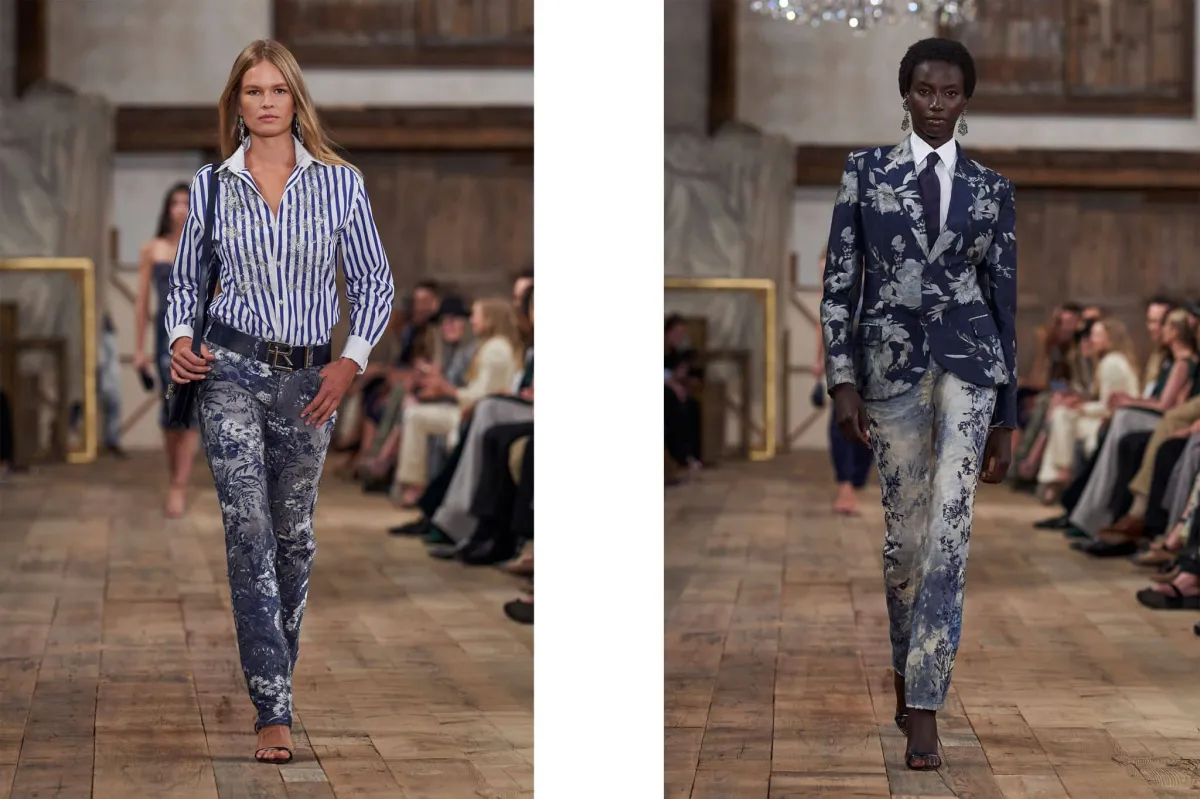 Photo: Ralph Lauren, via www.russh.com
The year was 1967, and Lauren convinced Beau Brummell, a New York manufacturer, to let him design a line of wide ties under his own label. He called it Polo — not because he played the sport, but because he understood what it represented to people who would never set foot near a horse.
"I don't design clothes," Lauren would later say. "I design dreams."
The Outsider's Advantage
What Lauren lacked in fashion training, he made up for in cultural observation. While established designers created clothes for the wealthy, Lauren created clothes that made middle-class Americans feel wealthy. He had spent his childhood studying aspiration from the outside, and that distance gave him clarity that insiders couldn't match.
His first major breakthrough came when Bloomingdale's gave him a small corner to display his ties. Instead of arranging them like merchandise, Lauren created a complete lifestyle tableau — wood paneling, leather chairs, the kind of environment where his customer imagined wearing the tie. Sales exploded.
Building an Empire on Borrowed Dreams
By 1971, Lauren had expanded into women's wear, using the same formula: take the visual language of American privilege and make it accessible to anyone with a credit card. His designs weren't just inspired by prep school culture, Western ranches, and English countryside estates — they were love letters to worlds his customers had only seen in movies.
The genius wasn't in the clothes themselves, but in the complete fantasy Lauren constructed around them. His advertising campaigns looked like documentary photography from lives people wished they were living. Models weren't just wearing Ralph Lauren; they were inhabiting Ralph Lauren's version of the American dream.
The Immigrant's Understanding of America
Lauren's background as the son of immigrants gave him a unique perspective on American identity. He understood that for many Americans, especially those whose families had arrived recently, the symbols of belonging were more important than the substance. A polo shirt wasn't just a piece of clothing — it was a passport to a version of America that had always existed just out of reach.
This wasn't cynical manipulation; it was democratic aspiration. Lauren was selling membership in a club that had never really existed, which meant anyone could join.
The Transformation of American Style
By the 1980s, Ralph Lauren had fundamentally changed how Americans dressed and, more importantly, how they thought about dressing. His Polo Ralph Lauren line had become shorthand for American casual luxury, while his Purple Label offered the kind of formal wear that made investment bankers feel like they belonged in the same room as old money.
The ragpicker's son had become the curator of American style, dressing everyone from presidents to suburban teenagers who saved up for a single polo shirt that would make them feel like they belonged somewhere important.
Legacy of the Outside Observer
Today, Ralph Lauren Corporation generates over $6 billion annually, but Lauren's most lasting contribution isn't financial — it's cultural. He proved that the most convincing version of the American dream could come from someone who had never been invited to live it.
From his tenement window in the Bronx, Ralph Lauren had watched America like an anthropologist. When he finally got the chance to participate, he didn't just join the conversation — he rewrote the entire script. The boy who grew up sorting through other people's discards had taught a nation how to dress its dreams.