From Refugee Camp Ovens to San Francisco Gold: The Vietnamese Baker Who Kneaded Her Way to the American Dream
The Recipe That Survived Everything
Nguyen Thi Lan learned to bake bread in the most unlikely classroom imaginable: a refugee camp in Malaysia, 1978. Surrounded by corrugated metal walls and the constant hum of desperation, she watched her grandmother knead dough with hands that remembered better times. The ingredients were wrong—whatever flour the relief workers could find, salt that came in unmarked bags, yeast that sometimes worked and sometimes didn't.
But the technique? That was perfect. Passed down through four generations of Vietnamese bakers, refined during the French colonial period when baguettes met Asian flavors, and now being preserved in the most fragile of circumstances by an old woman who refused to let her family's knowledge die in a refugee camp.
"Learn this," her grandmother said in Vietnamese, guiding Lan's teenage hands through the motions. "We don't know what we'll find in America, but people always need bread."
Landing in a Foreign Food Desert
When Lan finally reached San Francisco in late 1979, she discovered her grandmother's wisdom had limits. Yes, people needed bread—but they wanted Wonder Bread, not the crusty, aromatic loaves that her family had perfected over decades. The Vietnamese community in the Tenderloin was small, scattered, and mostly focused on survival jobs that paid immediately. Nobody was thinking about opening bakeries.
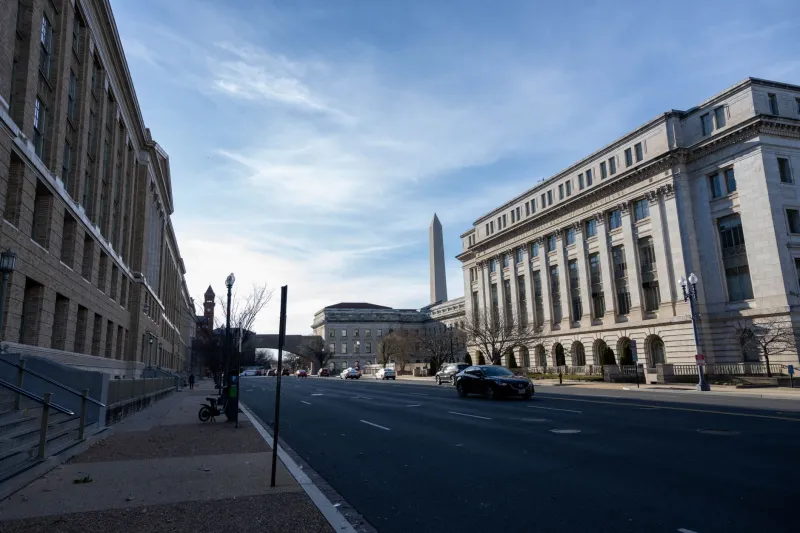
 Photo: San Francisco, via jooinn.com
Lan found work in a downtown hotel kitchen, washing dishes for $3.35 an hour. Her English consisted of "yes," "no," and "thank you"—hardly enough to explain the complex flavor profiles she could create with her grandmother's techniques. For two years, she saved every possible dollar, living in a studio apartment with six other refugees and eating rice with whatever vegetables were cheapest that week.
The Accident That Changed Everything
The breakthrough came through pure accident. In 1981, Lan's roommate got sick and couldn't make her shift at a small Vietnamese restaurant in the Richmond District. The owner, desperate for help, asked if anyone could cook. Lan volunteered, even though her experience was limited to family meals and refugee camp survival cooking.
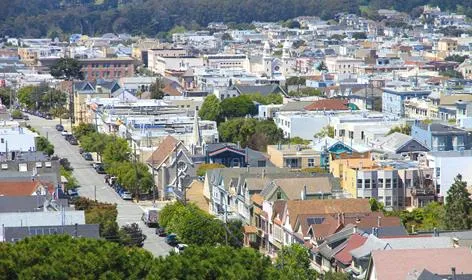 Photo: Richmond District, via www.bing.com
The restaurant needed someone to make banh mi—Vietnamese sandwiches that combined French bread with Vietnamese ingredients. The owner had been buying bread from a commercial supplier, but it was expensive and never quite right. Lan suggested she could make the bread herself, using her grandmother's techniques adapted for the restaurant's small oven.
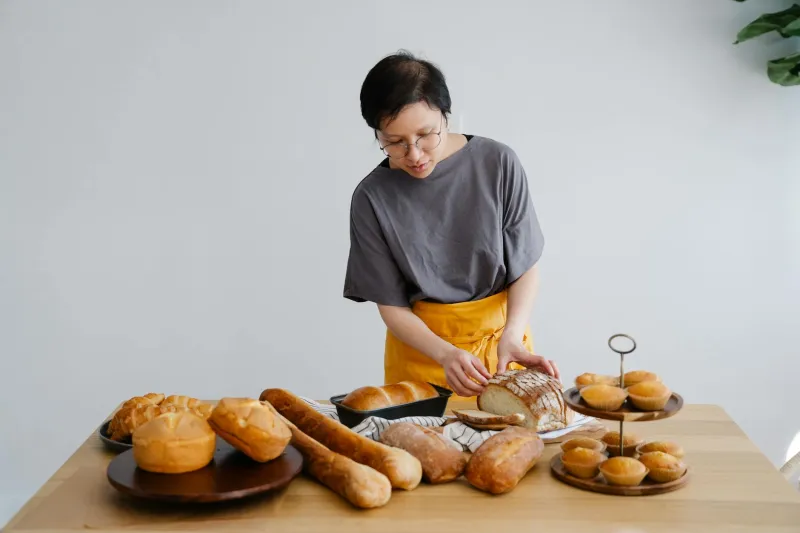
The first batch was a revelation. Crispy crust that shattered when you bit it, but with an interior so light it practically floated. The Vietnamese customers noticed immediately—this was bread that tasted like home, not like the pale substitutes they'd been settling for.
Building an Empire One Loaf at a Time
Word spread through the Vietnamese community faster than Lan could keep up with demand. Soon she was arriving at the restaurant at 4 AM to bake bread, working her regular shift, then staying late to prep for the next day. The owner offered to make her a partner, but Lan had different plans.
She'd been watching San Francisco's food scene evolve. The city was becoming more adventurous, more willing to try authentic ethnic foods instead of Americanized versions. Food critics were starting to write about Vietnamese cuisine as something sophisticated rather than just cheap ethnic food. The timing felt right for something bigger.
In 1983, using every dollar she'd saved plus a loan from a Vietnamese credit circle, Lan opened her first bakery in a narrow storefront on Irving Street. No signs in English, no explanation of what banh mi actually was—just the smell of fresh bread that drew curious customers like a magnet.
The Secret Ingredient Was Desperation
What made Lan's bakery different wasn't just the bread, though that was extraordinary. It was the desperation-born efficiency that refugee experience had taught her. She wasted nothing, used every inch of space, and created systems that maximized output while minimizing cost. When other bakeries threw away day-old bread, Lan turned it into breadcrumbs and sold them to Vietnamese families for coating fried foods.
She hired other refugees, teaching them her grandmother's techniques while they taught her about American business practices. Together, they created something unprecedented: a Vietnamese bakery that felt authentically ethnic to Vietnamese customers but approachable enough for curious Americans.
When Food Critics Discovered Gold
The breakthrough to mainstream success came in 1987 when a San Francisco Chronicle food writer wandered into Lan's bakery looking for lunch. The resulting review described her banh mi as "the best sandwich in San Francisco that nobody knows about." Lines started forming outside her small storefront, a mix of Vietnamese families and adventurous food lovers drawn by the promise of something authentic.
Lan parlayed that success into a second location, then a third. By 1995, she owned seven bakeries across the Bay Area, each one teaching San Francisco about Vietnamese flavors while staying true to her grandmother's original techniques.
The Grandmother's Legacy
Today, Lan's children run most of the day-to-day operations, but she still arrives before dawn to check the bread. At 65, she moves through her flagship bakery with the efficiency of someone who learned early that waste was a luxury she couldn't afford.
Her success story gets cited in business schools as an example of immigrant entrepreneurship, but Lan sees it differently. "I never had a choice," she says in English that's now fluent but still carries traces of her first language. "We had to eat. Other people had to eat. I just remembered how to make good bread."
The refugee camp where she learned her grandmother's techniques is long gone, replaced by development projects and time's inevitable march forward. But every morning in San Francisco, the smell of fresh bread carries forward the knowledge that survived everything—war, displacement, poverty, and doubt—to become the foundation of an unlikely American dream.
Sometimes the best business plans aren't written in boardrooms. Sometimes they're kneaded into existence by hands that remember what it means to have nothing left to lose except the knowledge passed down through generations of women who understood that feeding people well is its own form of resistance.