Sermons to Chickens: The Alabama Boy Who Learned Courage Before Anyone Taught Him the Word
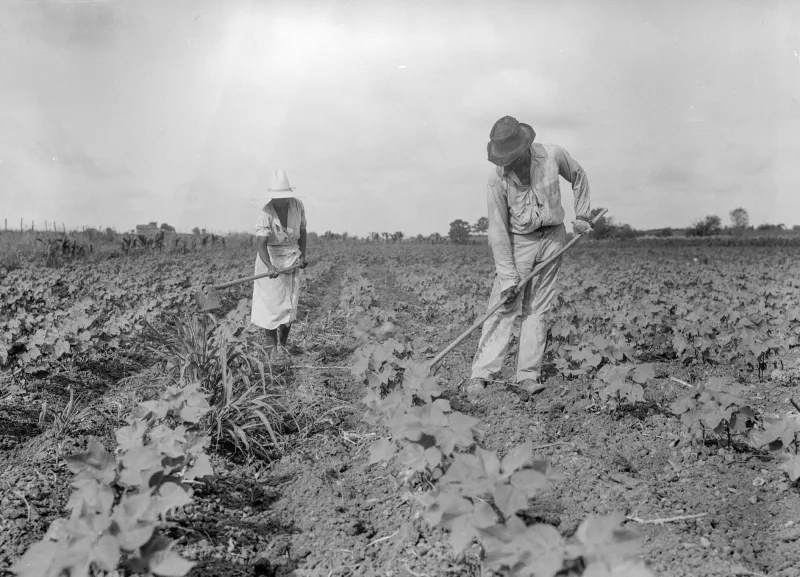
Photo: rural Alabama sharecropper farm landscape 1940s 1950s, via bunny-wp-pullzone-5vqgtgkbhi.b-cdn.net
Sometime in the late 1940s, on a sharecropper's farm outside Troy, Alabama, a small boy was standing in a chicken yard delivering a sermon. His congregation — twenty or thirty hens, mostly indifferent — shifted and pecked around his feet. The boy's name was John Robert Lewis, he was maybe seven years old, and he was completely serious. He had heard preachers on the radio and in the small Baptist churches his family attended, and something in the cadence of that language, the weight of it, had lodged inside him like a seed.
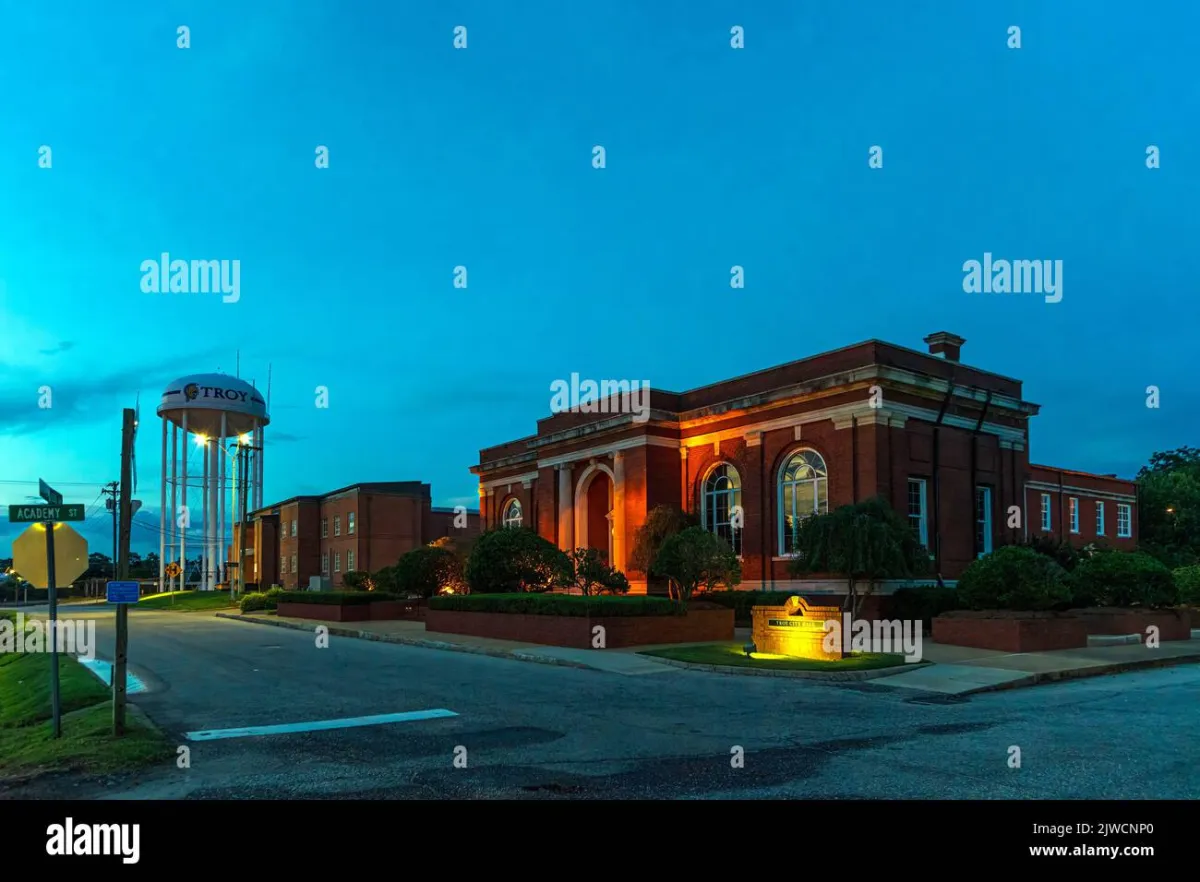 Photo: Troy, Alabama, via c8.alamy.com
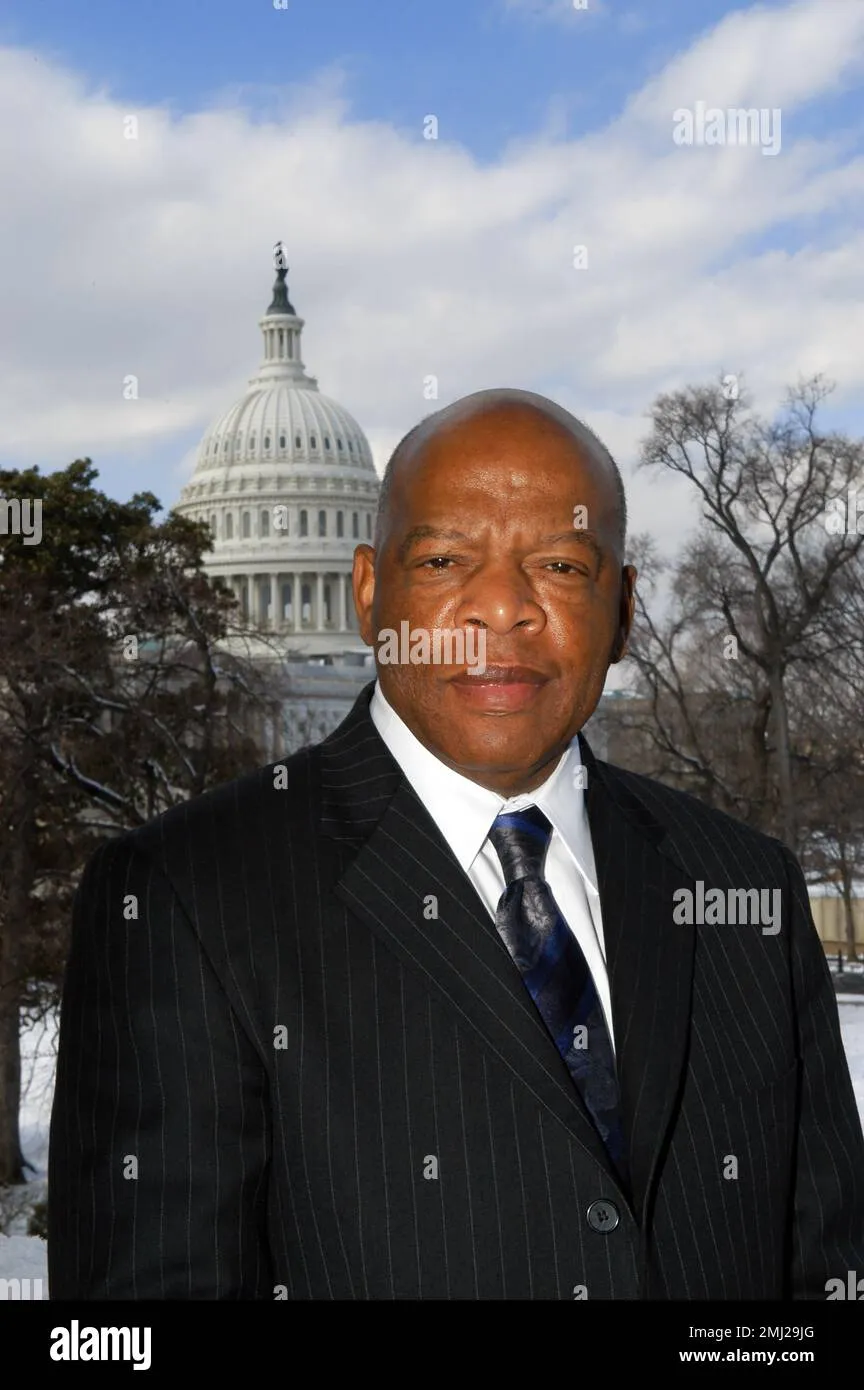 Photo: John Robert Lewis, via c8.alamy.com
He didn't know yet what he was practicing for. Nobody did.
Pike County, Alabama, 1940s: The World He Was Born Into
John Lewis came into the world on February 21, 1940, the third of ten children born to Eddie and Willie Mae Lewis. His parents were sharecroppers — a word that sounds agricultural and neutral until you understand what it actually meant in the mid-century American South. Sharecroppers worked land they didn't own, owed percentages of their harvest to landlords who held all the leverage, and lived in a state of managed poverty that was designed to be permanent. The system was not a failure of capitalism. It was capitalism working exactly as intended for the people at the top of it.
The Lewis family's farm sat on about 110 acres outside Troy, in Pike County, in the southeastern corner of Alabama. It was cotton and corn country. The nearest library — the nearest public library — did not admit Black children. The schools available to Lewis and his siblings were underfunded, understaffed, and operating on hand-me-down materials from the white schools that had finished with them. The message embedded in every institution around young John Lewis was the same: your life has a ceiling, and that ceiling is low.
Lewis received that message and, with a stubbornness that would define the next seven decades of his life, declined to believe it.
A Radio, Some Pamphlets, and a Voice From Montgomery
The tools of Lewis's self-education were modest by any measure. The family had a radio, and Lewis listened to it the way other kids listened to parents — for guidance, for a sense of what the world beyond the farm contained. He heard preachers and news broadcasts and, eventually, something that changed the direction of his life entirely.
In 1955, when Lewis was fifteen, he heard Martin Luther King Jr. on the radio for the first time. King was twenty-six years old and had just become the public face of the Montgomery Bus Boycott. His voice was formal and musical and carried a conviction that Lewis had never encountered outside of church. Lewis would later describe the experience as a kind of calling — not metaphorically, but in the specific, religious sense of the word. He felt that King was speaking directly to him.
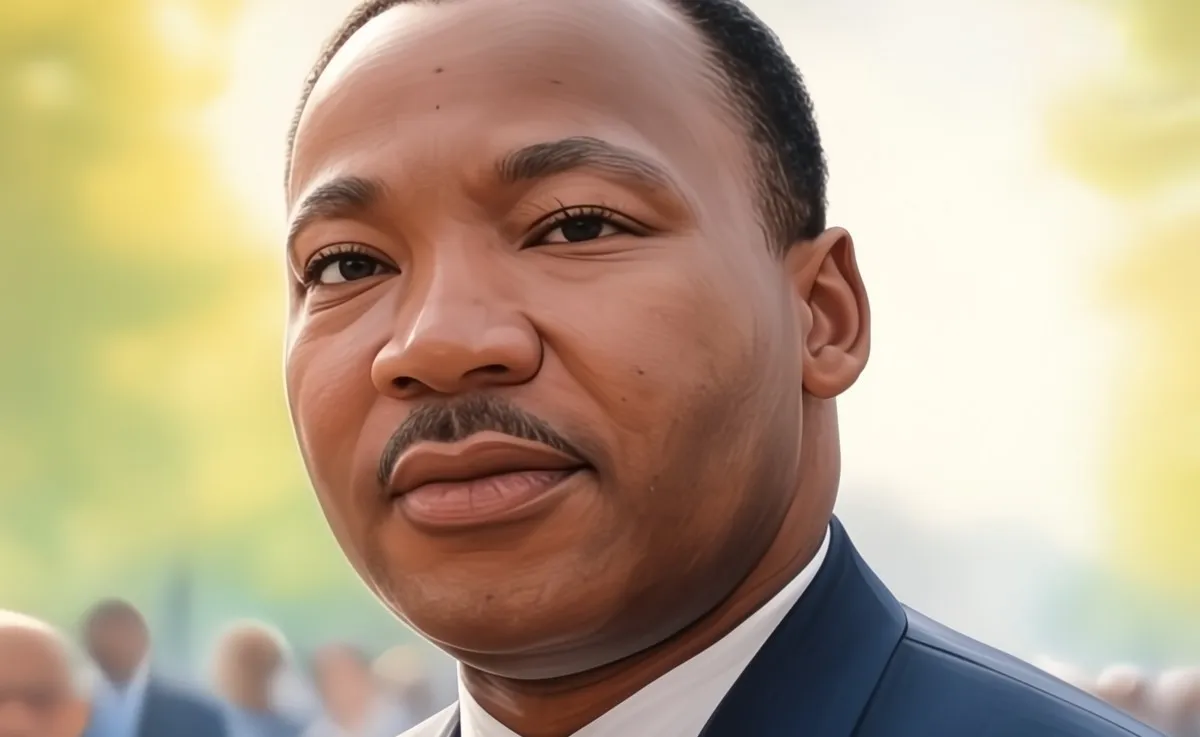 Photo: Martin Luther King Jr., via catholiconline.news
Around the same time, Lewis got his hands on a pamphlet published by the Fellowship of Reconciliation — a civil rights organization that had been operating since World War I — called Martin Luther King and the Montgomery Story. It described the philosophy of nonviolent resistance in plain, practical terms. Lewis read it until the pages wore soft. He read whatever he could find: newspapers, church bulletins, any scrap of printed material that crossed his path. In a county where Black children were not supposed to be building intellectual lives, he built one anyway, from whatever materials were available.
The Scholarship That Wasn't, and the Letter That Was
Lewis applied to Troy State College — the local institution that was, by law and custom, closed to Black students. He wrote to Martin Luther King explaining what he'd done, half-expecting no response. King wrote back. He sent a bus ticket to Montgomery. Lewis was sixteen years old.
His father told him not to go. Not because his father didn't believe in what Lewis was reaching toward, but because his father understood the specific, physical danger that reaching involved. In Pike County in 1956, a Black teenager who caused trouble for white institutions could expect trouble in return — the kind that didn't show up in newspapers. Eddie Lewis had built a life for his family within the system that existed. He was not wrong to be afraid.
John Lewis went to Montgomery anyway. He met King in person. He came home different, carrying something that no one in his family's history had quite carried before: a framework for turning moral conviction into organized action, and the beginning of a community of people who were doing exactly that.
What No Credential Could Have Built
When Lewis enrolled at American Baptist Theological Seminary in Nashville in 1957, he entered a world of formal education for the first time — but the most important education he received in Nashville happened outside the classroom. The lunch counter sit-ins, the Freedom Rides, the training sessions in nonviolent resistance that James Lawson ran in church basements: these were the experiences that turned a farm boy's raw moral instinct into something operational.
And here is the thing that gets lost in most accounts of Lewis's life, which tend to focus on the heroism of Selma or the legislative achievements of his congressional career: the authority he carried into those confrontations was not manufactured by any institution. It came from Pike County. It came from the knowledge — bone-deep, not theoretical — of what it meant to live inside a system designed for your diminishment, and to choose dignity anyway.
Lawyers and politicians develop arguments for justice. Lewis had lived the argument. There is a difference, and people could feel it.
The Places History Forgets First
John Lewis spent fifty years in Congress representing Georgia's 5th congressional district. He marched, testified, wrote, spoke, and was beaten and arrested more times than most people can count. He became, in the final decades of his life, a figure of such moral stature that politicians of both parties sought his blessing like a sacrament.
But the question his early life keeps raising is one worth sitting with: why do the leaders who change history so often come from the places history forgot first?
Partly it's about what poverty and exclusion strip away. When you have no institutional standing to protect, you can afford a kind of honesty that insiders cannot. When the system has already made clear it doesn't intend to reward you, you are free to act on principle rather than strategy.
And partly it's about what those places quietly build. The chicken yard sermons weren't nothing. The radio listening wasn't nothing. The pamphlets read by kerosene light weren't nothing. They were the construction of a self — patient, persistent, and ultimately immovable — in conditions that were designed to prevent exactly that construction from happening.
John Lewis died on July 17, 2020, in the same country he'd spent his life trying to make worthy of its stated ideals. He left behind, among other things, the memory of a small boy in a farmyard, practicing.
Some audiences are worth preaching to even when they can't hear you. You're not really talking to them anyway. You're talking to the person you're going to need to become.