Shoeshine Stand to Security Council: The Tennessee Boy Who Listened His Way to the Top
There is a particular kind of education that happens when you are invisible to the people around you.
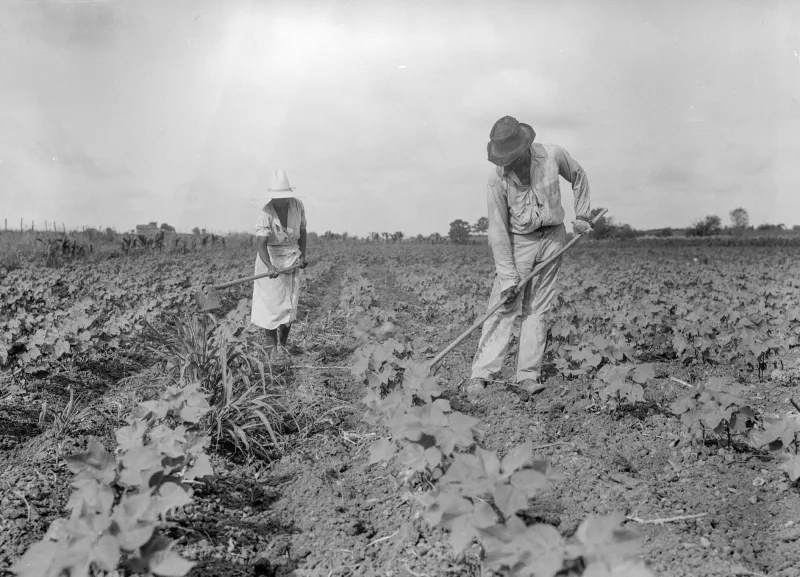
Carl Rowan understood this early. Growing up in Ravenscroft, Tennessee — a town so small and so poor that describing it as a backwater would be generous — he understood that the world was organized in a way that was not designed with him in mind. He was Black, he was broke, and he lived in the American South in the 1930s, where those two facts together constituted a ceiling so low a person could barely stand upright beneath it.
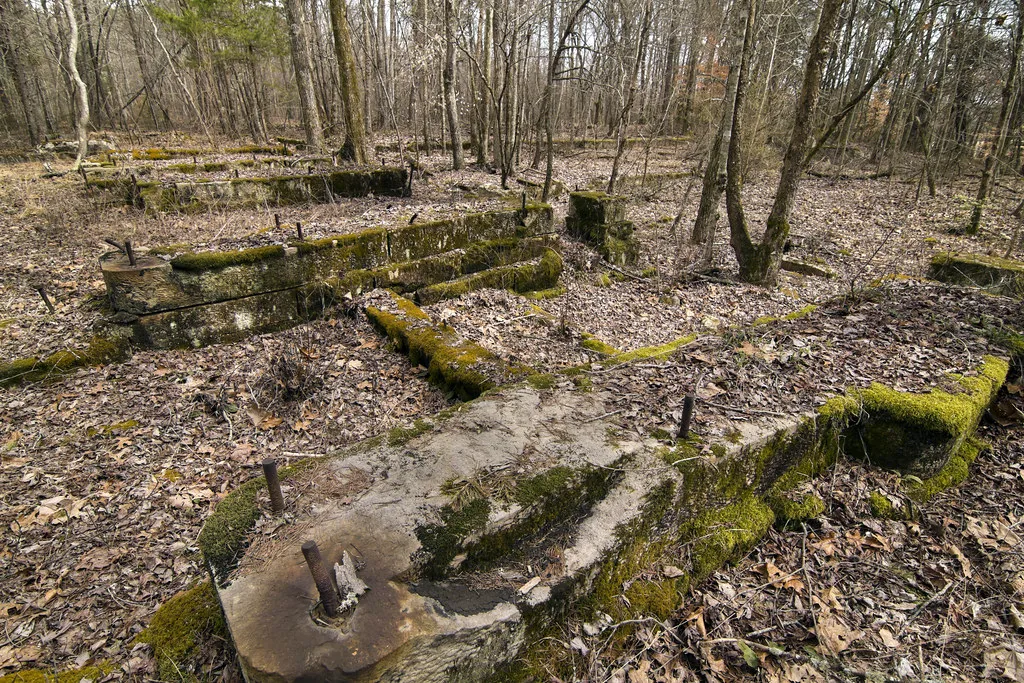 Photo: Ravenscroft, Tennessee, via live.staticflickr.com
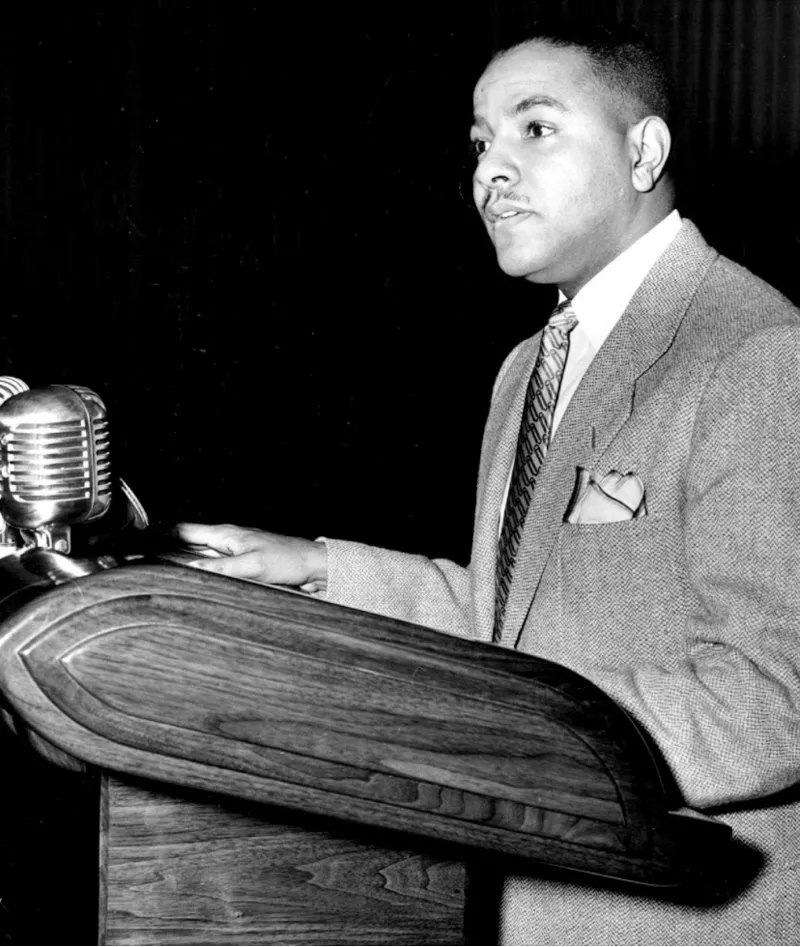 Photo: Carl Rowan, via www.pbs.org
But Carl Rowan had a habit that would serve him for the rest of his life: he paid attention.
The Stand Outside the Building
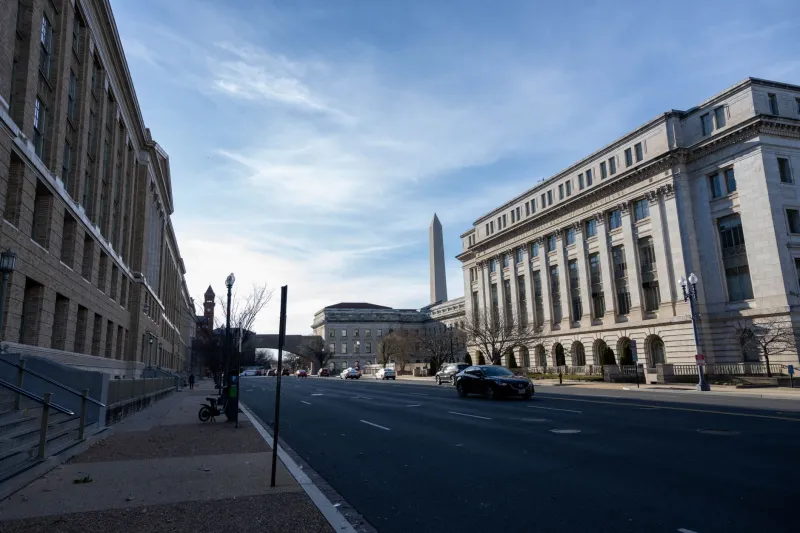
By the time he was a teenager, Rowan had made his way to Washington D.C., where he worked a shoeshine stand positioned just outside the State Department building. This was the 1940s. The men who walked past him every day were, in many cases, literally shaping American foreign policy. Diplomats, undersecretaries, advisors — the machinery of American power in a suit and tie, pausing for a shine before heading upstairs to make decisions that would affect millions of people.
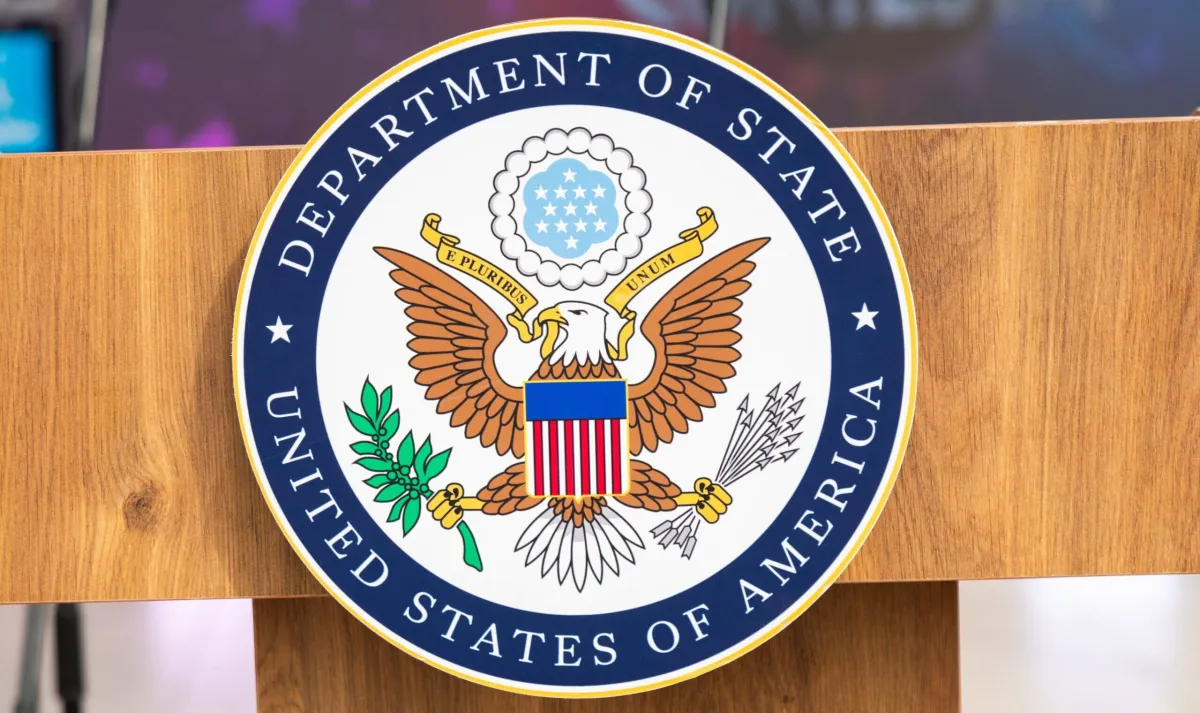 Photo: State Department, via www.theamericanconservative.com
They talked, as powerful people often do when they assume no one important is listening. And Rowan listened.
He absorbed vocabulary he hadn't been taught. He picked up the rhythms of how these men argued, how they framed problems, what they considered worth taking seriously. He couldn't have articulated it this way at the time, but he was building a mental model of how the world of influence actually operated — not as it was described in textbooks, but as it functioned in practice, in the gaps between formal statements.
It was an education that no university was offering him anyway. Tennessee's segregated school system had given him the basics. Washington gave him something else: a front-row seat to power, even if the seat came with a rag and a tin of polish.
The Navy and the First Battle
Rowan's path took a significant turn when he enlisted in the U.S. Navy during World War II. This was not a straightforward experience for a young Black man in the 1940s. The military was still segregated. The opportunities available to Black servicemen were constrained in ways that were both official and unofficial, formal and casually brutal.
But Rowan had always been determined to push against whatever boundary presented itself. He became one of the first fifteen Black naval officers commissioned in the United States — a distinction that required fighting through institutional resistance at every step. The Navy taught him something the shoeshine stand had begun to suggest: that the system, however hostile, had cracks in it. And that a person who was patient, prepared, and refused to accept the first no as the final answer could sometimes find those cracks.
After the war, he enrolled at Oberlin College in Ohio and then the University of Minnesota, where he pursued journalism. The choice of profession was not accidental. Rowan had understood, from his years of careful listening, that the people who controlled the narrative controlled an enormous amount of everything else. He wanted to be one of those people.
A Reporter Who Made Himself Impossible to Ignore
Rowan joined the Minneapolis Tribune in 1948, becoming one of the very few Black reporters working at a major daily newspaper in America at that time. He was not content to cover the stories he was handed. He pushed for assignments that put him in the middle of the defining stories of his era.
In the early 1950s, he traveled through the American South documenting the lived reality of segregation in a series of articles that were later collected into his book South of Freedom. The reporting was unflinching and precise — the product of someone who had spent years learning how to observe without flinching and describe without sentimentality. His work put a human face on systemic injustice in a way that resonated with readers who had never set foot below the Mason-Dixon line.
He covered the civil rights movement as it accelerated through the 1950s and into the 1960s. He covered international stories in Asia and the Middle East. He was building, piece by piece, a reputation as someone who could be dropped into any complex situation and come back with something true and readable and important.
The men in those suits who had walked past his shoeshine stand would have had trouble recognizing the trajectory. That was, in its way, the whole point.
The Rooms That Were Never Supposed to Open
In 1961, President John F. Kennedy appointed Rowan to the State Department as a Deputy Assistant Secretary of State for Public Affairs. The building outside which he had once polished shoes was now his professional address.
It's the kind of biographical detail that sounds like it was invented for a movie, but the reality was more complicated and more interesting than any neat narrative. Rowan didn't walk into that building as a symbol. He walked in as a working diplomat with a specific job to do, and he did it with the same methodical attention he had brought to everything else.
President Lyndon Johnson later appointed him U.S. Ambassador to Finland and then, in 1964, director of the United States Information Agency — making him the first Black American to sit on the National Security Council. He was in the room where decisions were made. Not outside it. Not adjacent to it. In it.
What Proximity Actually Teaches
It would be easy to frame Carl Rowan's story as a triumph of talent over circumstance, and it was that. But there's something more specific worth examining: the role that proximity to power played in his formation, even when that proximity was asymmetrical.
Standing outside the State Department as a teenager, Rowan wasn't just earning money. He was learning how the world he wanted to enter actually worked — its language, its priorities, its unspoken hierarchies. That knowledge, accumulated in a setting where no one thought to exclude him because no one thought to notice him, gave him a map.
Most people who get that close to power without being part of it are simply left outside. Rowan used the view from the sidewalk to study the building until he knew it well enough to walk in.
He went on to write a nationally syndicated column read by millions of Americans for decades. He was a fixture on Washington's political talk circuit. He wrote several more books. He was, by any measure, one of the most influential journalists and public figures of twentieth-century America.
And it started with a can of polish and an ear that never stopped working.