The Orderly Who Outsmarted Medicine: How Four Failed Exams Led to a Revolution in Patient Care
When Failure Becomes Your Greatest Teacher
Ruby Mae Henderson failed her nursing licensure exam four times between 1952 and 1954. Each failure felt like a door slamming shut on her dreams, but looking back, those rejections were actually clearing a path toward something much more important than she could have imagined.
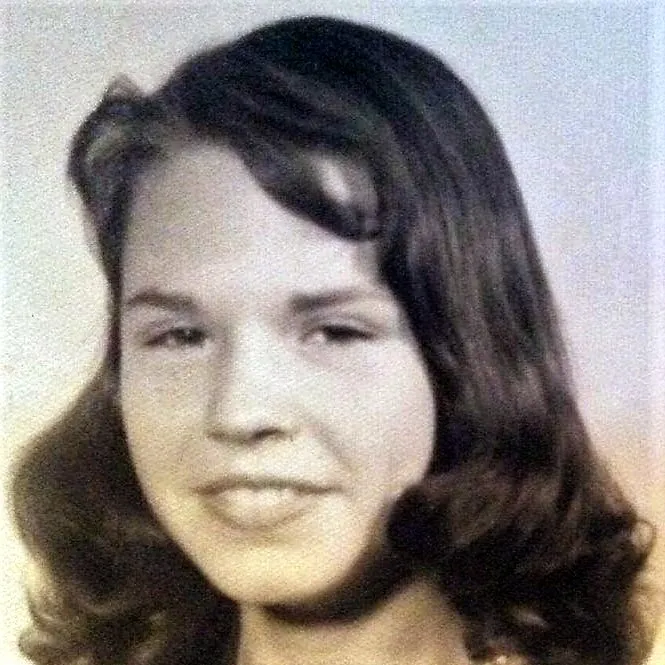 Photo: Ruby Mae Henderson, via d27790xjhw2fza.cloudfront.net
Growing up in coal country Kentucky, Henderson had watched her mother die slowly and painfully from black lung disease, receiving little more than aspirin and dismissive words from the local doctor. "Pain is part of life," the physician had told her family. "Some folks just handle it better than others."
That callous response planted a seed of rebellion in young Ruby Mae. She was determined to become a nurse and do better. But the state nursing board had other ideas.
The Job Nobody Wanted
After her fourth failed exam, Henderson was broke, discouraged, and facing pressure from her family to give up on medicine entirely. That's when Charleston General Hospital offered her a job as an orderly—the bottom rung of the medical hierarchy, typically reserved for men without education or ambition.
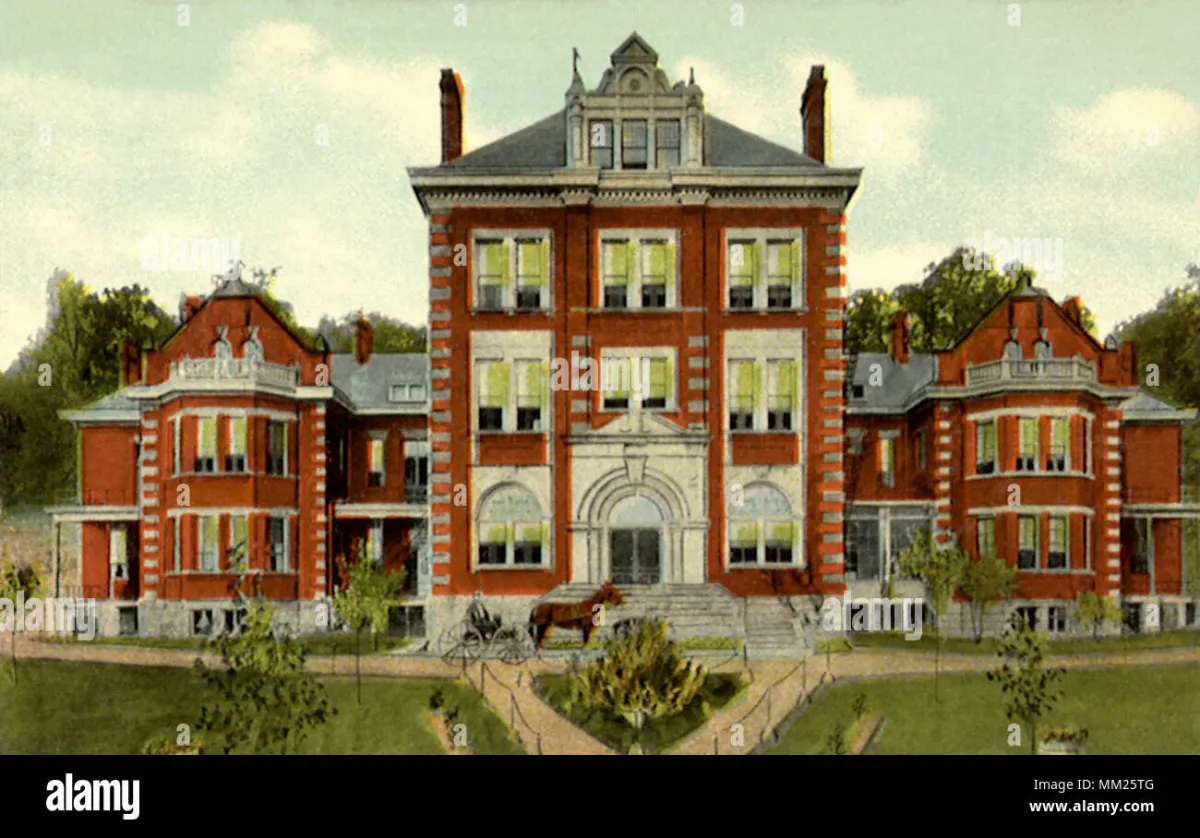 Photo: Charleston General Hospital, via c8.alamy.com
"I took it because I needed the money," Henderson later wrote in her memoirs. "But I stayed because I realized I was seeing things the nurses and doctors weren't."
As an orderly, Henderson was invisible to most medical staff but intimately present with patients. She cleaned rooms, changed linens, and helped patients with basic needs while nurses administered medications and doctors made rounds. This unique position gave her something invaluable: time and proximity to observe suffering without the pressure to fix it immediately.
The Patterns Only She Could See
Working the night shift from 1955 to 1962, Henderson began keeping detailed notes about patient behavior—not in official medical charts, but in a personal notebook she carried in her uniform pocket. She noticed patterns that seemed to escape the attention of credentialed staff.
Patients in pain, she observed, exhibited subtle changes in breathing, posture, and facial expressions hours before they verbally complained. More importantly, these early warning signs varied dramatically between individuals and weren't captured by standard pain assessment tools.
"Mrs. Johnson would press her lips together and stare at the ceiling when her pain was getting bad," Henderson wrote. "Mr. Rodriguez would curl his left hand into a fist. Little Sarah would stop talking altogether. But the nurses would walk in, ask 'How's your pain on a scale of one to ten?' and make decisions based on whatever number came out."
Henderson realized that the medical establishment was treating pain like a simple equation when it was actually a complex language—and she was becoming fluent in translation.
The Unauthorized Experiment
By 1960, Henderson had filled three notebooks with observations and was beginning to see clear patterns. Patients whose early pain signals were recognized and addressed required less medication overall and recovered faster than those whose pain was only treated after reaching crisis levels.
Without permission or official authority, Henderson began quietly alerting nurses when she noticed early pain indicators in her patients. Most ignored her—after all, she was just an orderly without formal medical training. But a few younger nurses started paying attention, and they noticed something remarkable: Henderson's predictions were almost always accurate.
Dr. Margaret Walsh, a resident who worked closely with Henderson during this period, later recalled: "Ruby Mae would tell me that Mr. Peterson was going to need pain medication in the next hour, and sure enough, forty-five minutes later he'd be calling for help. At first I thought it was coincidence. Then I realized she was reading signs the rest of us had been trained to ignore."
The Research That Changed Everything
In 1963, Henderson's informal observations caught the attention of Dr. David Chen, a young physician interested in pain management research. Chen was struggling with his own research project on post-operative pain when a nurse mentioned Henderson's uncanny ability to predict patient needs.
Chen approached Henderson with an unusual proposal: would she be willing to document her observations more formally? Together, they designed a study that paired Henderson's observational method with clinical outcomes tracking.
The results were stunning. Patients whose pain was managed using Henderson's early warning system required 40% less medication, experienced fewer complications, and reported higher satisfaction scores than those receiving standard care.
"Ruby Mae had discovered something we'd all missed," Chen explained years later. "We were so focused on treating pain after it became unbearable that we'd forgotten to watch for it while it was still manageable."
From Orderly to Pioneer
The success of Chen's study launched Henderson into an unexpected second career. Medical schools began inviting her to speak about patient observation techniques. Nursing programs incorporated her methods into their curricula. Hospitals across the country sent staff to Charleston General to learn what became known as the "Henderson Protocol."
In 1968, at age 45, Henderson finally passed her nursing exam—not because she'd gotten smarter, but because the profession had finally caught up to what she'd been doing all along. The test had been redesigned to emphasize patient observation and holistic care rather than rote memorization of procedures.
The Revolution That Started in Room 237
Henderson's work fundamentally changed how American hospitals approach pain management. Her emphasis on individual observation over standardized assessment tools became the foundation for modern palliative care protocols. The idea that the person closest to the patient might have the most valuable insights—regardless of their credentials—revolutionized hospital hierarchies.
"Ruby Mae proved that expertise isn't always where you expect to find it," said Dr. Patricia Williams, current director of pain management at Johns Hopkins. "Sometimes the most important discoveries come from the people who are told they don't belong in the conversation."
By the time Henderson retired in 1987, her methods were being used in hospitals nationwide. She'd never become the nurse she'd originally dreamed of being, but she'd become something more important: a pioneer who proved that proximity to suffering, combined with genuine attention, could be more valuable than any textbook knowledge.
Henderson died in 1998, but her influence continues. The Ruby Mae Henderson Institute for Patient Advocacy, established at Charleston General in 2001, trains hospital staff in observational techniques and ensures that patient care remains grounded in human connection rather than technological distance.
Sometimes the most important lessons come not from passing tests, but from failing them—and finding a different way to serve.