Words from the Graveyard: How a Cemetery Child Became America's Poet of Loss
The House That Death Built
Most children learn about death as an abstract concept, something that happens to other people in faraway places. James Williams learned about it the way other kids learned about baseball—through daily practice, seasonal rhythms, and family tradition.
His father, Samuel Williams, was the gravedigger for Magnolia Hill Cemetery in Clarksdale, Mississippi. His mother, Ruth, arranged flowers for funeral services. Their house sat on cemetery grounds, a small wooden structure that came with Samuel's job during the depths of the Great Depression.
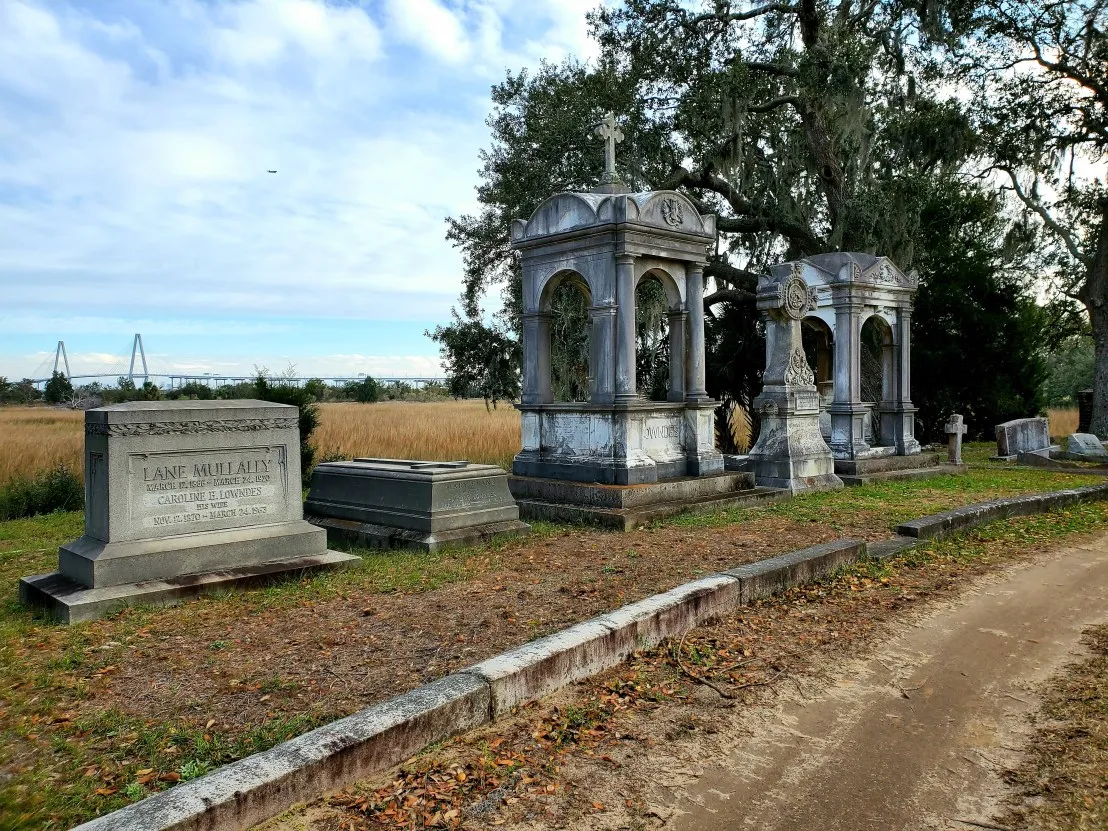 Photo: Magnolia Hill Cemetery, via i1.wp.com
For young James, who earned the nickname "Bone" for his skinny frame and pale complexion, the cemetery wasn't a place of fear—it was home. The headstones were his playground equipment, the mourners his daily entertainment, and the constant presence of grief his most reliable teacher.
"Other kids had imaginary friends," Williams would later write. "I had the dead. They were better listeners."
Lessons from the Mourning Crowd
While most Depression-era children learned about hardship through empty dinner tables and patched clothes, Bone learned it through the parade of broken hearts that visited Magnolia Hill daily. He watched wives collapse over fresh graves, children who couldn't understand why daddy wouldn't wake up, and old men who whispered secrets to headstones.
By age ten, Bone could identify different types of grief the way other children identified birds. There was the sharp, animal howl of sudden loss—usually accidents or violence. The quiet, exhausted weeping of those who'd watched illness win slowly. The dry-eyed shock of parents burying children, a grief so complete it moved beyond tears.
His mother noticed his unusual attention to the mourners. "That boy sees too much," she told Samuel. But Ruth also noticed something else: Bone remembered their stories. Every name, every relationship, every particular shade of sorrow.
The Accidental Education
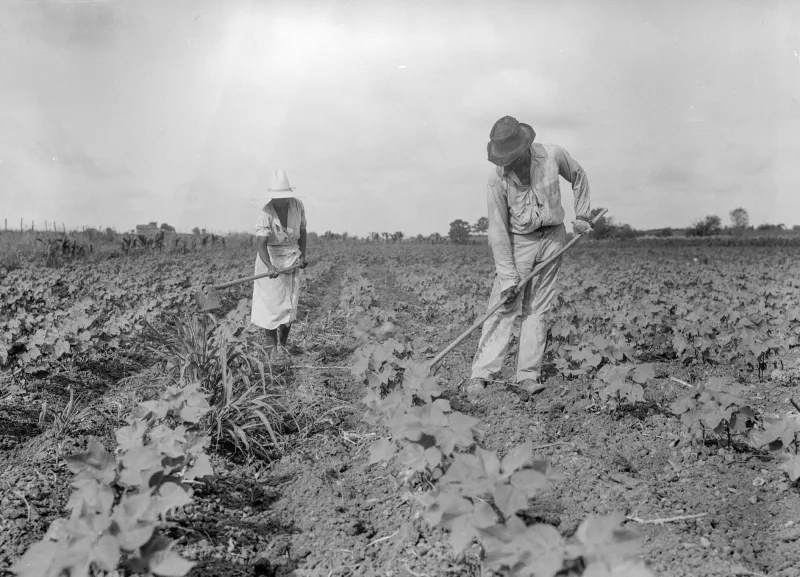
Formal schooling was sporadic for Bone. Clarksdale's colored school was underfunded and often closed when children were needed for cotton harvest. But the cemetery provided its own curriculum. Bone read every headstone, studying the poetry of epitaphs, learning how people chose to summarize entire lives in a few carved lines.
He began collecting the phrases that moved him, writing them in a notebook his mother had found discarded at a funeral: "Beloved wife and mother," "Gone but not forgotten," "Until we meet again." The repetition fascinated him—how the same words could carry completely different weights depending on who spoke them.
By age twelve, Bone was writing his own verses, trying to capture what he'd witnessed. His first poem, scribbled on the back of a funeral program, began: "Death ain't the end of the story / It's just where the telling gets hard."
The Voice That Carried
Word of the cemetery boy's unusual talent spread slowly through Clarksdale's Black community. When Mrs. Johnson lost her husband in a mill accident, she asked Bone to write something for the service. When the Williams family's church needed words for their annual memorial service, they turned to the teenage poet who understood loss better than most adults.
Bone's reputation grew beyond Clarksdale when a traveling preacher heard one of his elegies and carried it to churches across the Delta. By 1940, at age nineteen, Bone was receiving letters from families across the South, requesting poems for their own losses.
The irony wasn't lost on him: his childhood among the dead was becoming his livelihood among the living.
The War That Changed Everything
World War II transformed Bone from a local curiosity into a national necessity. As young men shipped overseas and casualty lists grew longer, America discovered it had no vocabulary for industrial-scale grief. The traditional consolations—"died for his country," "heroic sacrifice"—felt inadequate for the scope of loss.
Bone's poems, with their unflinching honesty about death's reality, began appearing in soldiers' letters home. His verse "Letter to a Gold Star Mother" was reprinted in dozens of newspapers after a grieving mother shared it with her local editor. Unlike the patriotic platitudes that dominated wartime literature, Bone's work acknowledged that death was still death, even when it wore a uniform.
"Glory don't make the grave less cold," he wrote. "Honor don't bring your boy home for dinner."
The Call from Washington
In 1943, Bone received a letter that changed his life. Eleanor Roosevelt had read his poem "The Mother's Prayer" and wanted to meet the young man who could write so powerfully about loss. The First Lady was working on a speech for military families and needed someone who understood grief without sentimentality.
 Photo: Eleanor Roosevelt, via 2.bp.blogspot.com
Bone's train ride to Washington was his first time leaving Mississippi. The White House was his first time inside a building with more than six rooms. But when he sat across from Mrs. Roosevelt in the Blue Room, discussing how to comfort a nation in mourning, he was in familiar territory.
"You write like someone who's been there," Mrs. Roosevelt told him. "Not to the war, but to the place where loss lives."
The Poet of a Grieving Nation
Bone's collaboration with the Roosevelt administration led to his appointment as an unofficial poet laureate for military families. His verses were included in condolence letters from the War Department, read at memorial services, and broadcast on radio programs for grieving families.
Unlike other war poets who focused on heroism or patriotism, Bone wrote about the aftermath—the empty chairs at dinner tables, the unopened letters, the way grief changed the taste of food and the color of sunsets. His poem "The Telegram" became so widely shared that Western Union operators began including copies with death notifications.
The Legacy That Lasted
After the war, Bone continued writing, but he never left Mississippi. He returned to Clarksdale, where he opened a small funeral parlor and continued crafting words for the grieving. His collected poems, "Conversations with the Silent," won the Pulitzer Prize in 1952, making him the first Black poet to receive the honor.
Presidents from Truman to Reagan quoted his verses in speeches about national loss. His words were read at funerals for everyone from small-town teachers to Supreme Court justices. The boy who grew up among headstones had become America's voice for saying goodbye.
The Wisdom of the Graveyard
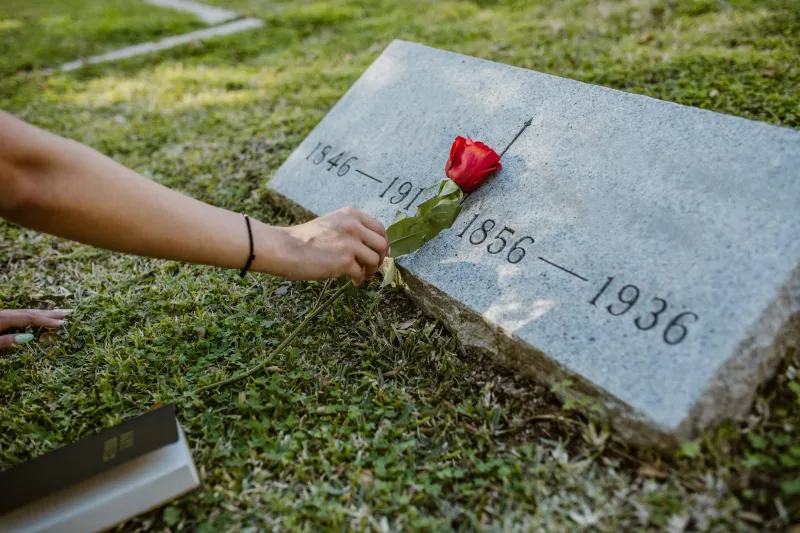
Bone Williams died in 1987, at age sixty-six, and was buried in Magnolia Hill Cemetery where he'd spent his childhood. His headstone bears lines from his own poem: "Death taught me how to live / Loss taught me how to love / The graveyard taught me how to speak."
His story reminds us that sometimes the most unlikely educations produce the most necessary voices. In a culture that often treats death as failure and grief as weakness, Bone's childhood among the mourning gave him permission to tell uncomfortable truths about universal experiences.
From the cemetery grounds of Depression-era Mississippi to the highest offices of American power, Bone Williams proved that wisdom can grow in the most unexpected soil. His life's work—helping a nation learn to grieve with dignity—began with a child who learned that death wasn't the enemy of life, but its most honest teacher.