Six Feet Under to Center Stage: The Mississippi Gravedigger Who Became the King of Blues

The Sound of Shovels
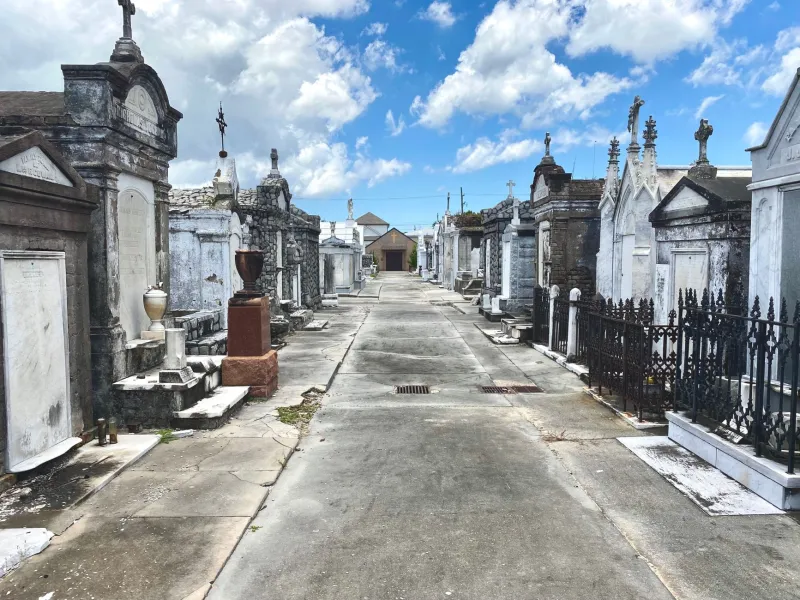
In the cotton fields of Itta Bena, Mississippi, the rhythm started with shovels hitting dirt. Riley King learned to keep time not with metronomes or music lessons, but with the steady thud of earth being moved six feet down. His family dug graves for the local cemetery — honest work that paid almost nothing and promised even less.
 Photo: Itta Bena, Mississippi, via m.natemat.pl
Born in 1925 to sharecroppers who could barely scratch out a living, Riley seemed destined for the same cycle that trapped most Black families in the Delta: cotton, poverty, and an early grave of his own. His father left when he was four. His mother died when he was nine. By ten, he was living with his grandmother, picking cotton for 35 cents per 100 pounds and learning that survival meant working from sunup to sundown.
But in the evenings, when the work was done and the Delta heat finally broke, something else stirred in those fields. The workers sang — work songs, spirituals, and something new that would later be called the blues. Riley listened with the intensity of a child who understood that music might be the only ladder out of the hole his family had been digging for generations.
A Guitar Made of Dreams
Riley's first encounter with a real guitar came at age 12, when he convinced his mother's cousin to let him hold his beat-up acoustic. The strings cut his fingers. The frets felt impossible. But when he managed to coax out a single, clean note, something clicked that would reshape American music forever.
He couldn't afford lessons, couldn't afford his own instrument, and certainly couldn't afford to dream of anything beyond the cotton fields. So he practiced on borrowed guitars, learning by ear from records when he could find them, copying the styles of T-Bone Walker and Lonnie Johnson note by painstaking note.
By 18, Riley was performing at local juke joints for pocket change and free drinks. He'd work the fields all day, then play music all night, surviving on maybe three hours of sleep and the impossible hope that somehow, somewhere, someone would hear him and offer a way out.
The $10 Gamble That Changed Everything
In 1947, with $2.50 in his pocket and a guitar held together with wire, Riley hitchhiked to Memphis. The plan was simple: get discovered, become famous, send money home. The reality was harsher. He slept in boarding houses, washed dishes for meals, and played on street corners for tips that barely covered the cost of guitar strings.
But Memphis had something the Delta didn't: radio stations. WDIA was looking for new talent, and Riley managed to talk his way into an audition. His performance was rough around the edges, his voice still finding its power, but something in his guitar playing made the station manager stop and listen.
They offered him a 10-minute slot, three times a week, for $10 per show. Riley had never seen that much money for playing music. He said yes immediately.
From Riley to B.B.
The radio show needed a catchy name, something that would stick in listeners' minds. Riley had been calling himself the "Beale Street Blues Boy" in honor of Memphis's famous music district. The station shortened it to "Blues Boy King," then just "B.B. King."
 Photo: B.B. King, via www.brides.com
It was almost accidental — a marketing decision that happened to create one of the most recognizable names in music history. But the name was just the beginning. B.B.'s radio show became appointment listening across the Mid-South, and his live performances started drawing crowds that had never heard anything quite like his style.
The Guitar That Became Lucille
By the early 1950s, B.B. was touring constantly, playing to packed houses across the South. His guitar work had evolved into something entirely new — a singing, crying sound that seemed to capture all the pain and hope of the Delta in every bent note.
The defining moment came during a 1949 performance in Twist, Arkansas, when a fight broke out in the audience and knocked over a kerosene heater. The building caught fire, and everyone fled — including B.B. But halfway out, he realized he'd left his guitar inside. Against all logic, he ran back into the burning building to save it.
Later, he learned the fight had started over a woman named Lucille. From that night forward, every guitar he owned carried that name — a reminder of the night he almost died for his music and discovered it was worth the risk.
Beyond the Delta
What started in cotton fields and graveyards eventually conquered concert halls and recording studios around the world. B.B. King played over 15,000 performances in his career, recorded more than 50 albums, and influenced everyone from Eric Clapton to Stevie Ray Vaughan.
But he never forgot where the music came from. "The blues," he once said, "grew out of people's pain, people's problems, people's hard times." He understood that his job wasn't just to play notes — it was to transform suffering into something beautiful, something that could help other people make sense of their own struggles.
From a childhood spent digging graves in Mississippi to a lifetime spent digging into the deepest emotions of American music, B.B. King proved that greatness doesn't require perfect circumstances. Sometimes it just requires the courage to keep playing, even when the building is burning down around you.